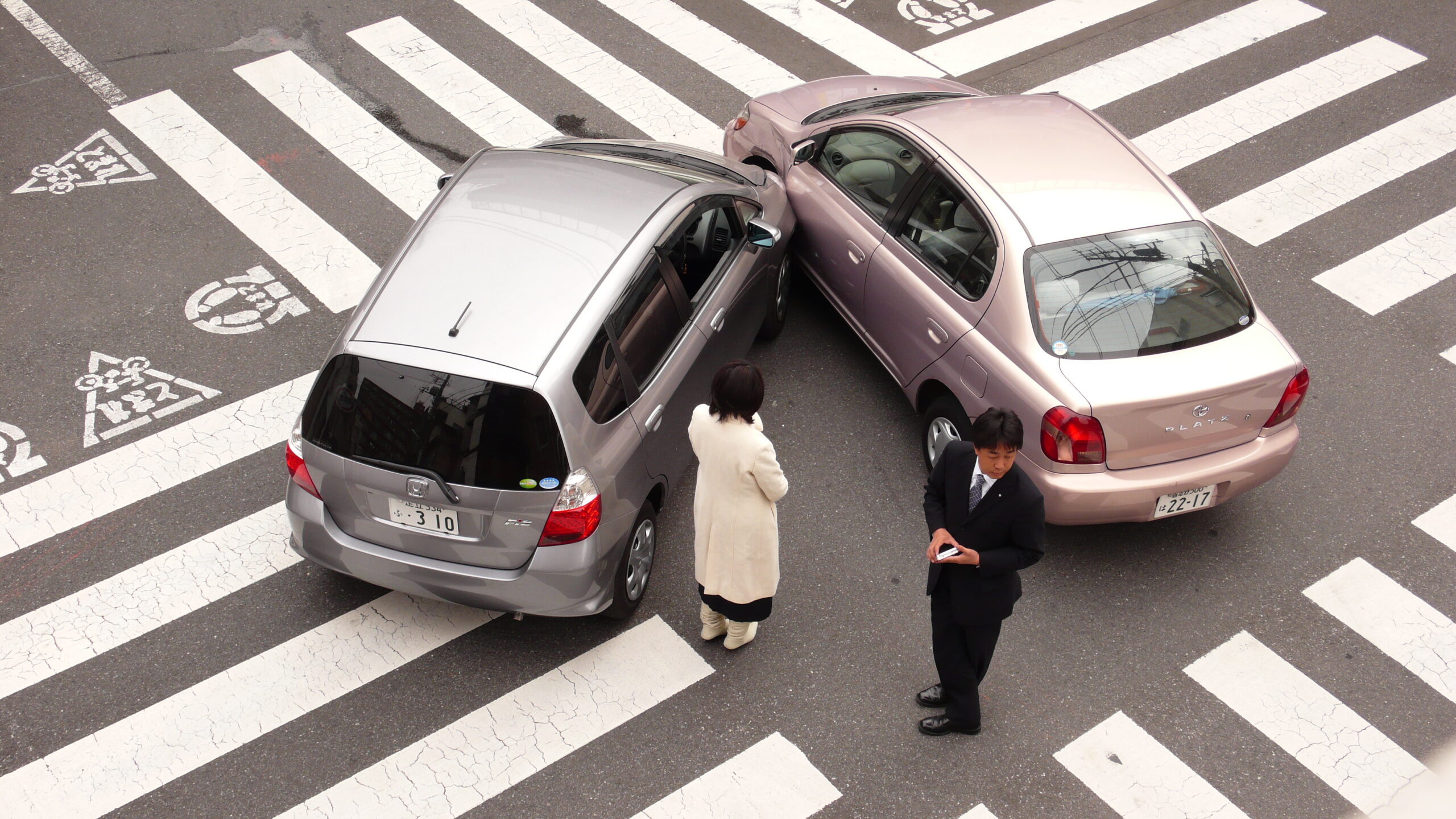
A13 Crash Near Barking Today: Eastbound Lanes Closed Following Major Vehicle Collision As Police Investigate
A severe collision along the A13 trunk road near Barking has forced emergency closures across eastbound lanes today, initiating a comprehensive emergency response involving the Metropolitan Police Service, London Fire Brigade, and the London Ambulance Service. The a13 crash occurred shortly after 06:45 GMT near the Lodge Avenue Junction (A1153), where three passenger vehicles and a light commercial van collided in heavy morning commuter traffic. Emergency services immediately cordoned off the carriageway to facilitate extrication, medical assistance, and forensic scene management.
Metropolitan Police officers arriving on scene established a primary security perimeter spanning from the Beckton Interchange to the Movers Lane junction. Initial reports from traffic monitoring systems indicate that the impact caused one vehicle to overturn onto the central reservation barrier, resulting in significant debris distribution across all three eastbound travel lanes. Traffic management operators from Transport for London (TfL) quickly altered signal timings on adjacent arterial routes to manage the incoming flow of diverted vehicles.
Commuters traveling from Central London toward Essex face extensive delays exceeding 50 minutes as specialist recovery teams work alongside collision investigation officers. Emergency personnel remain on site to complete preliminary measurements, secure vehicle onboard diagnostic data, and clear liquid spillages from the road surface before any partial lane reopenings can be authorized.
Emergency Dispatch Timeline Along the A13 Barking Corridor
According to logs recorded by London Metropolitan Control, emergency calls regarding a high-speed vehicle impact began arriving at approximately 06:47 GMT. The dispatch sequence progressed as follows across the initial response window:
- 06:47 GMT: First 999 emergency calls registered reporting a multi-vehicle collision east of the Lodge Avenue exit.
- 06:52 GMT: First Metropolitan Police Service units arrive on scene, confirming structural damage to three vehicles and requesting immediate fire brigade assistance for occupant extrication.
- 06:58 GMT: Two London Fire Brigade appliances from Barking and East Ham stations deploy specialized cutting equipment to free a trapped vehicle occupant.
- 07:05 GMT: London Ambulance Service Incident Response Officers and advanced paramedic teams establish a forward triage station on the hard shoulder.
- 07:30 GMT: Transport for London officially updates variable message signs across the A1020, A406 North Circular, and A13 westbound approaches, warning drivers of complete eastbound blockages.
Metropolitan Police Traffic Division Scene Reconstruction
Collision investigation specialists from the Metropolitan Police Service Roads and Transport Policing Command have taken charge of the immediate incident scene. Investigators are deploying 3D laser-scanning technology to map tire friction marks, vehicle resting positions, and barrier contact points across the 150-meter incident area. Preliminary technical findings suggest that a sudden lane-changing maneuver during heavy braking conditions contributed to the chain-reaction collision, causing the trailing commercial van to strike the rear quarter of a hatchback vehicle.
Forensic teams are currently analyzing onboard camera footage recovered from two of the involved vehicles alongside high-definition closed-circuit television feed provided by Transport for London traffic monitoring hubs. Officers are compiling a comprehensive physical evidence log prior to releasing the involved transport units to commercial towing contractors. Authorities have confirmed that preliminary breath tests and roadside drug screening procedures were completed as standard protocol for all surviving drivers involved in major arterial incidents.
London Ambulance Service Response and Medical Triage
The London Ambulance Service deployed four ambulance crews, two advanced paramedic units, and an Incident Response Officer to the Barking scene. Paramedics evaluated five individuals at the location for varying degrees of physical injury. Two drivers were stabilized on site and subsequently transported under blue-light escort to King George Hospital in Ilford for detailed medical examination and monitoring.
Medical staff confirmed that neither individual sustained life-threatening injuries, though orthopedic trauma and soft-tissue injuries required immediate clinical immobilization. The remaining three occupants involved in the impact received on-scene assessment from paramedic crews before being discharged with self-care advice. No emergency air ambulance helicopter deployment was deemed necessary following the initial clinical triage completed by senior medical officers on scene.
Regional Road Network Diversions and Infrastructure Impact
The complete closure of the eastbound carriageway has created significant secondary congestion across eastern Greater London and western Essex highways. Heavy vehicle diversion corridors have been established via the A406 North Circular northbound, directing drivers toward the A12 eastbound via Gants Hill and Romford. Local surface roads across Barking, Dagenham, and Beckton are experiencing severe vehicle saturation as local traffic attempts to bypass the blocked trunk road section.
- A13 Eastbound: Closed between Beckton Interchange (A1020) and Lodge Avenue Junction (A1153); severe delays of 55 to 70 minutes reported.
- A406 North Circular Southbound: Tailbacks extending past the Ilford Flyover back toward the Redbridge Roundabout.
- A1020 Royal Docks Road: Heavy slow-moving congestion heading north toward the A13 junction.
- B178 Ripple Road: Localized queuing as residential feeder streets absorb overflow commuter traffic.
Recovery Operations and Roadway Remediation Protocols
Highway maintenance teams from Transport for London are coordinating with specialized heavy recovery contractors to lift and transport the damaged vehicles from the carriageway. The impact caused an estimated 40-liter diesel spill across lanes two and three, requiring application of absorbent chemical compounds and high-pressure surface scrubbing before the road surface can meet safe friction thresholds for public travel.
In addition to road surface cleaning, structural engineers are inspecting 25 meters of steel central reservation barrier that sustained deformation during the collision. Temporary concrete barriers or speed reduction protocols may be instituted prior to full evening peak-hour reopening to ensure vehicle safety while permanent repair crews are scheduled for off-peak night shifts.
Official Public Safety Directives and Driving Advisory
Transport for London and the Metropolitan Police Service advise all motorists planning to travel between Tower Hamlets, Newham, and Essex to postpone non-essential journeys or utilize alternative rail corridors including the C2C train service operating between London Fenchurch Street and Southend Central.
Drivers currently caught in tailbacks are urged to remain inside their vehicles, keep hard shoulders clear for continuing emergency vehicle access, and refrain from attempting unauthorized U-turn maneuvers on slip roads. Transport for London anticipates that at least one eastbound lane will reopen by mid-afternoon once initial clearance, containment of liquid spills, and highway safety verification processes conclude.