Alabama Power Outage Today: Thousands Without Electricity Across Central Counties After Severe Storms
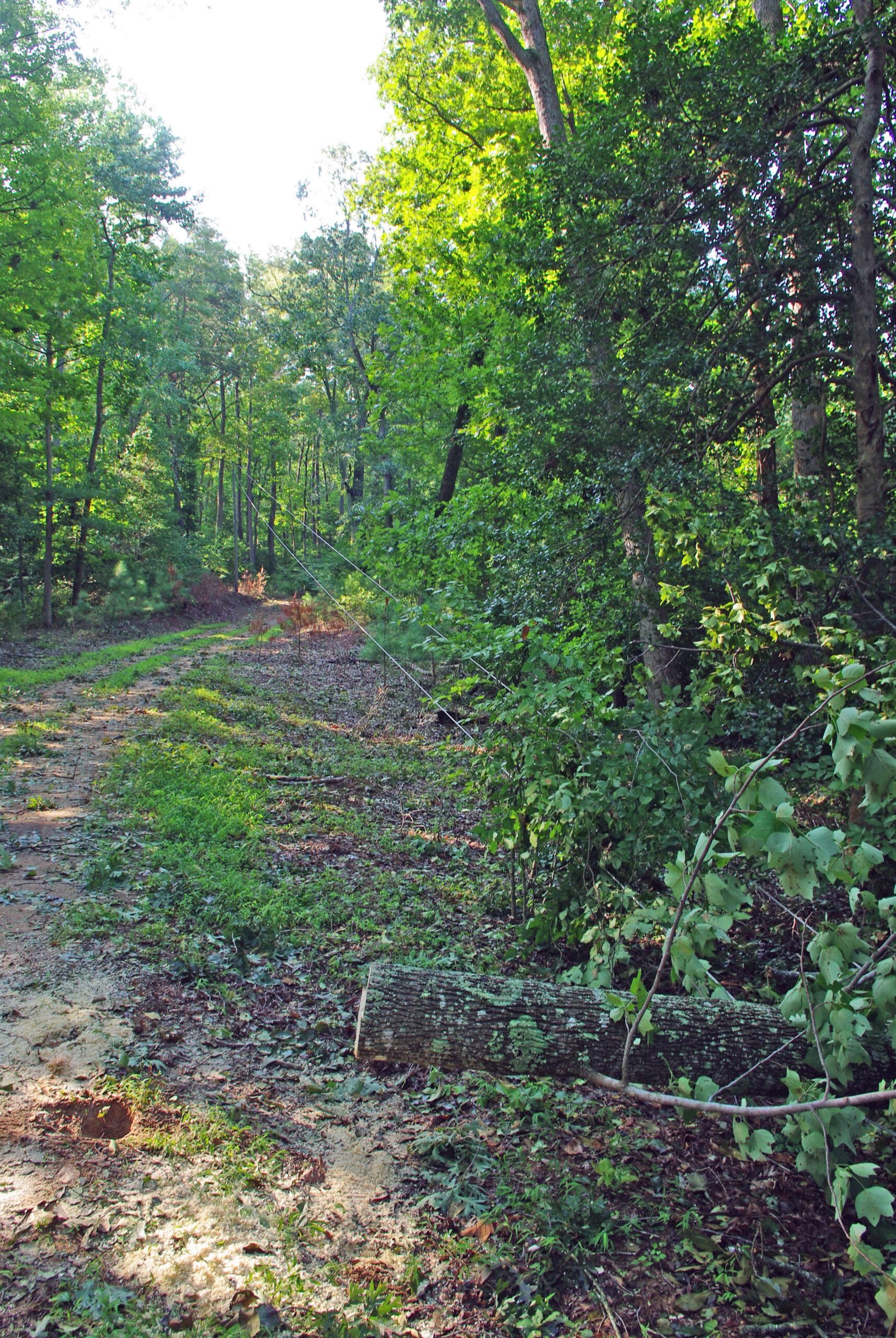
Severe weather systems tracking across central and southern regions of the state have triggered a widespread alabama power outage today, interrupting electrical service to thousands of residential and commercial customers. High wind gusts exceeding 55 miles per hour, combined with torrential rainfall and cloud-to-ground lightning strikes, resulted in fallen trees, severed overhead feeder cables, and compromised distribution substations during the early morning hours.
Utility crews from Alabama Power, alongside regional emergency management officials, immediately mobilized rapid-response units across affected territories including Jefferson, Shelby, Tuscaloosa, and Montgomery counties. Operations centers report that restoration protocols are underway, though safety hazards such as downed live wires and flooded access routes continue to slow physical assessment efforts in several rural districts.
State and local authorities are urging residents to exercise extreme caution near damaged utility infrastructure while repair crews evaluate substation breakers and high-voltage transmission towers damaged by atmospheric turbulence. Emergency operations remain active as meteorologists monitor secondary weather fronts capable of impacting ongoing restoration schedules.
Severe Weather Front Causes Widespread Transmission System Interruptions
At approximately 4:15 a.m. CST, a fast-moving squall line crossed the Mississippi-Alabama border, producing localized straight-line winds and intense lightning activity. The atmospheric event caused multiple primary circuit breakers to trip across the main 115 kV transmission grid, causing instantaneous service interruptions across key central utility corridors.
According to system telemetry logs, the most concentrated service disruptions occurred along suburban transit arteries and rural feeder routes. Emergency dispatch centers registered over 120 calls regarding tree limbs falling onto primary distribution wires within a two-hour window between 5:00 a.m. and 7:00 a.m. Utility dispatch supervisors reported that several key substations experienced automated lockouts designed to isolate high-voltage surges and protect regional grid stability.
County-by-County Utility Impact and Restoration Priorities
Utility management dashboards indicate variable impact levels across central and southern municipalities. Emergency management updates provided the following status metrics during early morning briefings:
- Jefferson County: Over 14,500 reported outages concentrated along the Interstate 65 corridor and metro Birmingham suburbs due to uprooted oak trees contacting low-voltage secondary lines.
- Shelby County: Approximately 8,200 customers affected across Alabaster and Pelham, where severe wind gusts damaged multiple transformer units.
- Tuscaloosa County: Estimated 6,100 outages reported following tree branch impacts on overhead distribution circuits serving residential neighborhoods.
- Montgomery County: Roughly 3,400 interruptions linked to isolated utility pole failures and downed primary wires along municipal rights-of-way.
Emergency Dispatch Operations and First Responder Grid Bulletins
First responders and municipal public works departments have deployed specialized forestry crews and line technicians to clear blocked rights-of-way and make structural pathways safe for repair vehicles. State troopers and municipal police departments have issued notices urging drivers to treat all dark or malfunctioning traffic signals as four-way stop intersections in accordance with state traffic statutes.
Emergency dispatchers emphasized that downed power lines must always be treated as fully energized and lethal. Citizens are instructed to maintain a minimum distance of 30 feet from any fallen electrical hardware and to report hazardous conditions immediately through local 911 services or official utility outage reporting hotlines.
Infrastructure Repair Protocols and Transmission Line Recovery
Field engineering teams are applying systematic restoration hierarchy protocols to bring critical community infrastructure back online before restoring individual residential feeder lines. Priority service allocation centers on essential public facility networks including regional hospitals, municipal water treatment facilities, emergency dispatch call hubs, and primary shelter staging locations.
Once primary transmission trunks and sub-stations are stabilized, line technicians will transition to repairing neighborhood branch lines, transformer banks, and individual service drop cables connected to residential structures. Technical supervisors estimate that primary corridor restoration will continue throughout the afternoon, provided weather conditions remain favorable for elevated bucket truck operations.
Public Safety Advisories for Generator Usage and Traffic Disruptions
State fire marshals and public health officials have issued safety warnings regarding the operation of portable gasoline-powered electrical generators during extended utility outages. To prevent lethal carbon monoxide accumulation, portable generators must be placed strictly outdoors in well-ventilated areas, positioned at least 20 feet away from doors, windows, and structural air intakes.
Residents relying on medical equipment requiring continuous power are advised to activate emergency backup plans or contact county emergency operations centers for local shelter assistance. Utility officials remind the public to verify outage status reports through verified online portal tools and official corporate communications channels as field operations proceed across all impacted service territories.